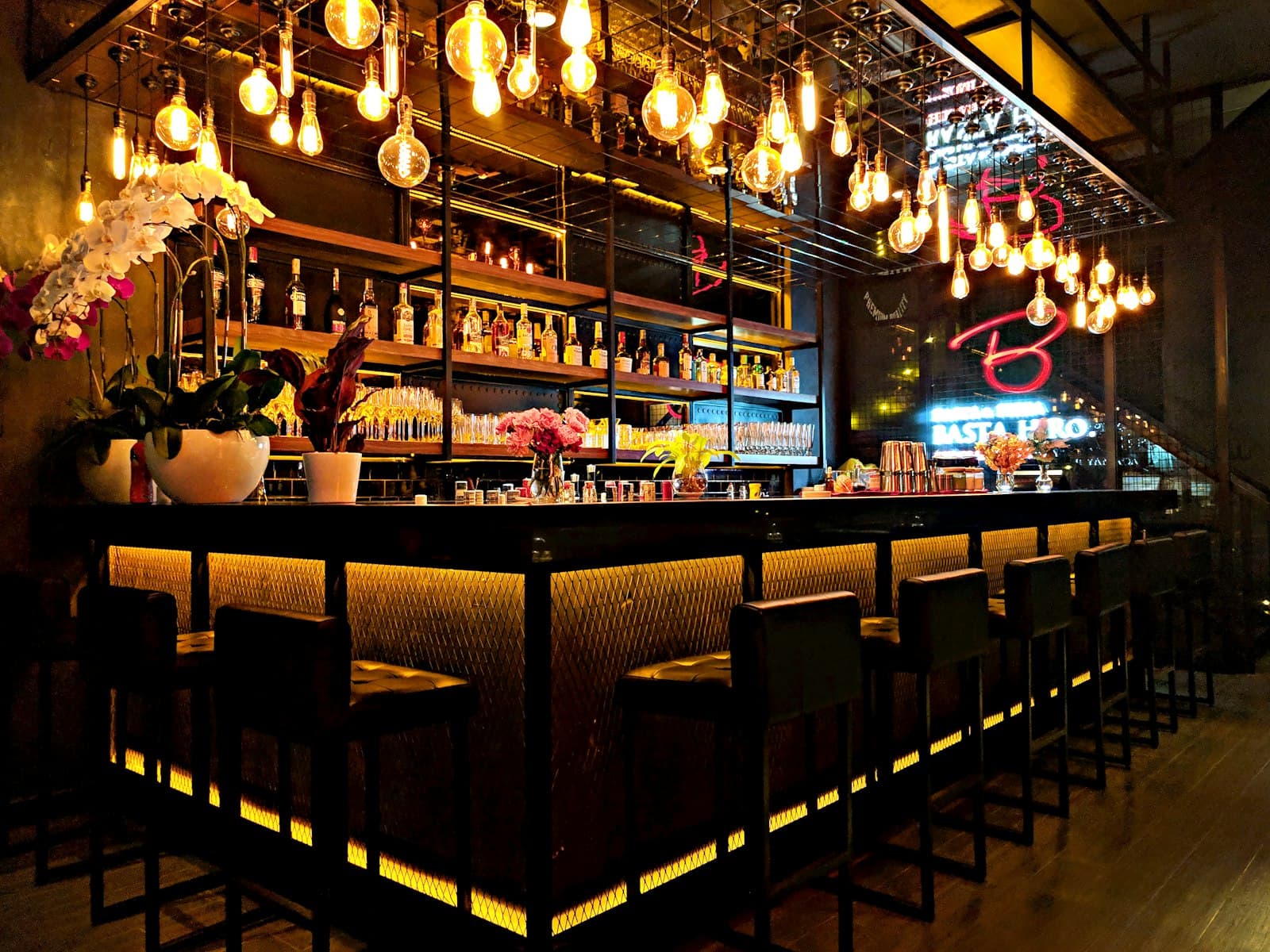
Private events are one of the highest-margin revenue streams a bar can have. Buyouts, corporate happy hours, birthday parties, cocktail classes — when managed well, these events can represent 20-40% of a bar's total revenue.
But "managed well" is doing a lot of heavy lifting in that sentence. Most bars leave money on the table because they lack systems for capturing leads, creating proposals, and ensuring smooth execution. This guide covers everything you need to build a profitable private event business at your bar.
Why Bars Should Focus on Private Events
Before diving into the how, let's talk about why private events deserve your attention:
- Guaranteed revenue: A $3,000 buyout beats hoping for a busy walk-in night.
- Higher margins: Pre-set menus and drink packages reduce waste and improve cost control.
- Weekday fill: Corporate happy hours and team events book on your slowest nights.
- Word of mouth: Great events generate referrals. One corporate planner can bring you 5+ events per year.
- Deposits reduce risk: Collected upfront, deposits eliminate the no-show problem that plagues walk-in bars.
Types of Private Events for Bars
Different event types require different approaches. Here's what works:
Full Buyouts
The entire venue is reserved for one party. Price with an F&B minimum that covers your opportunity cost plus profit margin. Friday and Saturday buyouts should carry premium pricing — you're giving up your best revenue night.
Partial Buyouts
A section, patio, or back room is reserved while the rest of the bar operates normally. Lower minimums, but requires clear boundaries (physical or staffing) to keep the event feeling exclusive.
Corporate Happy Hours
These are your bread and butter for weekday revenue. Keep packages simple: 2-hour open bar with passed apps, priced per person. Corporate planners love simplicity.
Birthday & Celebration Packages
Offer tiered packages with drink tickets, reserved seating, and optional bottle service. These are high-emotion bookings — the host wants to impress their guests, so presentation matters.
Cocktail Classes & Tastings
Interactive experiences command premium per-person pricing ($75-150/person is common). Lower headcounts but higher margins and excellent marketing content.
How to Price Private Events at Your Bar
Pricing is where most bars either leave money on the table or scare off leads. Here's a framework:
Calculate Your Opportunity Cost
What would your bar earn on a typical night without an event? That's your floor. For a Friday that averages $5,000 in revenue, your buyout minimum should be at least $5,500-6,000 to make it worth it.
Day-of-Week Pricing
- Monday-Wednesday: Lowest minimums. Any private event revenue is incremental.
- Thursday: Mid-tier. Starting to compete with regular business.
- Friday-Saturday: Premium. You're forgoing your busiest nights.
- Sunday: Depends on your concept. Brunch and day parties can command premium pricing.
Package Structures
The most successful bar event programs offer 2-3 packages per event type:
- Standard: Well drinks + beer + wine + basic apps ($45-65/person)
- Premium: Call drinks + craft cocktails + upgraded apps ($75-95/person)
- VIP: Top-shelf open bar + full appetizer spread + desserts ($100-150/person)
This tiered approach anchors clients toward the middle option, which is where your margins are best.
Staffing Your Bar for Private Events
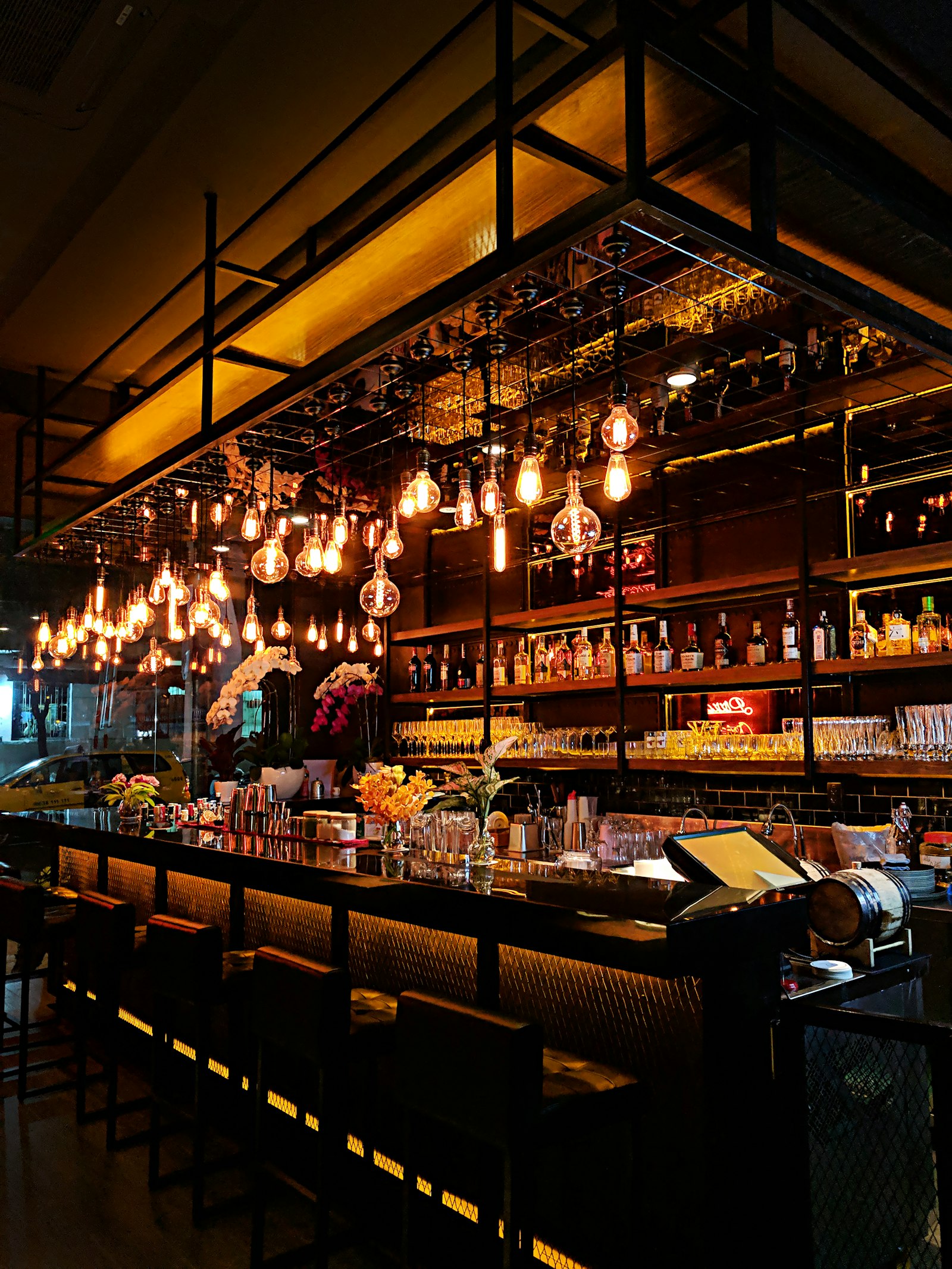
Staffing ratios make or break the event experience. Under-staffed and guests wait too long for drinks. Over-staffed and you kill your margins.
General Guidelines
- Bartenders: 1 per 40-50 guests for open bar, 1 per 60-75 for limited menu
- Barbacks: 1 per 2 bartenders for events over 50 guests
- Servers: 1 per 25-30 guests if doing passed apps or seated food
- Event coordinator: Assign one point person for events over 30 guests
Pre-Event Prep
The key to a smooth event is front-loading the work:
- Pre-batch signature cocktails
- Stage all garnishes and glassware
- Brief the entire team on the event timeline, menu, and any special requests
- Set up the bar station 30 minutes before guest arrival
Capturing and Converting Leads
Having a great bar and great packages means nothing if leads don't find you or you don't follow up.
Make Yourself Findable
- Website: Have a dedicated "Private Events" page with photos, sample packages, capacity info, and an inquiry form.
- Google Business Profile: Add "private events" to your business categories and upload event photos.
- Instagram: Post event content regularly. Tag clients (with permission) and use local hashtags.
- Local outreach: Email nearby office managers and HR teams directly. Offer a complimentary site visit.
Respond Fast
The single most impactful thing you can do is respond to inquiries quickly. The first venue to respond wins the booking more than half the time. Aim for under 2 hours during business hours.
Follow Up Persistently
Not every lead books immediately. A typical follow-up cadence:
- Day 1: Initial response with availability, packages, and photos
- Day 3: Check-in with a question about their event
- Day 7: Share a testimonial or recent event photo
- Day 14: Final touch before closing the loop
AI tools like Reunion's Houndstooth can automate this entire sequence with personalized messages based on the lead's specific event details.
Building Your Event Management System
As your event volume grows, you need systems — not just hustle. Here's what a mature bar event operation looks like:
Lead Pipeline
Every inquiry tracked in one place with status (new, proposal sent, signed, deposit paid). No more leads lost in email threads.
Professional Proposals
Branded proposals with your packages, pricing, terms, and e-signature. Clients should be able to review and sign from their phone in under 5 minutes.
Deposit Collection
Online payment collection (credit card, ACH, Apple Pay) immediately after signing. No more chasing checks or Venmo requests.
Communication Hub
All client communication — email and SMS — in one thread. No more switching between apps to piece together a conversation.
Calendar & Availability
Real-time calendar showing booked and available dates across all your spaces. Prevents double-booking and makes it easy to check availability on the spot.
Common Mistakes to Avoid
- Not requiring deposits: No deposit = no commitment. Always collect at least 25-50% upfront.
- Underpricing weekends: Your Friday and Saturday nights are premium. Price them accordingly.
- No cancellation policy: Include clear terms about cancellation windows and refund policies in every proposal.
- Ignoring weekday potential: Tuesday corporate happy hours are pure incremental revenue. Don't overlook them.
- Manual everything: If you're still managing events through email and spreadsheets, you're leaving money and sanity on the table.
- Not capturing testimonials: After every great event, ask for a review. Social proof sells the next booking.
Getting Started
You don't need to implement everything at once. Start with these three steps:
- Create 2-3 event packages with clear pricing for your most common event types.
- Add an inquiry form to your website and Google profile.
- Set up a system to track leads and automate follow-ups.
Tools like Reunion make this easy — embed a lead form, build proposals in minutes, collect deposits online, and let AI handle the follow-ups. Most bars are fully set up in under an hour.
Private events are too profitable to manage with sticky notes and good intentions. Build the systems, and the revenue follows.